44 Poodles Found Neglected in Oregon Home
By Emmanuel Tredway. Sep 19, 2025
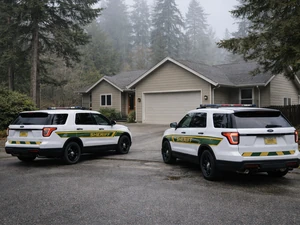
When sheriffs in Deschutes County, Oregon, raided a home on Elk Lane in Alfalfa on September 5, 2025, they uncovered a disturbing scene: 49 animals, including 44 poodles, living in conditions that can only be described as squalid. The owner, 62-year-old Lorinda Maxwell, was arrested and charged with 49 felony counts of second-degree animal neglect. Authorities allege Maxwell was operating a puppy mill under the business name Kameo Poodles, prioritizing profit over the health and welfare of the animals in her care.
The Scale and Secrecy of the Operation
The sheer number of animals seized - 44 poodles of various sizes, including standard, miniature, and toy varieties, plus three cats - speaks to the scale of this operation. Two litters of puppies were among the animals taken into custody, highlighting the ongoing breeding activity at the site. The Deschutes County Sheriff’s Office described the living conditions as “filthy” and “unhealthy,” as reported by PEOPLE, with dogs confined to dirty crates and forced to live on soiled blankets. The strong odor of urine and ammonia permeated the residence, a clear sign of neglect and poor sanitation.
This case shines a light on the often-hidden world of puppy mills - commercial dog breeding operations that prioritize quantity over quality, frequently at the expense of animal welfare. Puppy mills are notorious for their secrecy, often operating under the radar in rural or less-populated areas, making it difficult for authorities and the public to detect abuse or neglect until conditions become dire.
Understanding Animal Neglect Laws
Lorinda Maxwell faces 49 felony counts of second-degree animal neglect, a serious charge that reflects the gravity of the situation. Animal neglect laws vary by state but generally prohibit the failure to provide adequate food, water, shelter, sanitation, and veterinary care. In Oregon, second-degree animal neglect is a felony when it involves multiple animals or results in significant harm or suffering.
The charges against Maxwell suggest that authorities found clear evidence of prolonged neglect, including unsanitary living conditions and inadequate care. The fact that the animals were seized and placed under a court hold indicates that the legal process is ongoing, and the animals are currently receiving medical attention at the Humane Society of Central Oregon, which is operating at 200% capacity due to the influx.
How to Spot Red Flags in Your Community
Cases like this raise an important question: how can you, as a community member, recognize signs of a potential puppy mill or animal neglect? Here are some key red flags to watch for:
- Excessive number of animals: A large number of dogs or other animals kept in a single residence, especially if the owner is not a licensed breeder or rescue, can be a warning sign.
- Poor living conditions: Foul odors, visible filth, animals confined to small or dirty cages, and lack of clean bedding are indicators of neglect.
- Lack of veterinary care: Animals showing signs of untreated illness, injury, or malnutrition may be victims of neglect.
- Limited socialization: Dogs that are fearful, aggressive, or overly timid may have been kept in isolation or poor conditions.
- Online sales and advertising: Websites or social media pages advertising numerous puppies for sale, especially with vague or inconsistent information, can be fronts for puppy mills.
If you suspect animal neglect, it’s crucial to report your concerns to local animal control or law enforcement agencies. In this case, the Deschutes County Sheriff’s Office encouraged anyone with information about Kameo Poodles or Lorinda Maxwell to come forward, underscoring the role of community vigilance in combating animal cruelty.
The Human and Animal Toll
While the focus often falls on the animals, it’s important to consider the human element as well. Puppy mills like the one allegedly run by Maxwell often exploit the animals for financial gain, but they also impact the buyers who may unknowingly purchase sick or poorly bred puppies. These dogs can suffer from genetic defects, behavioral issues, and health problems that require costly veterinary care.
Moreover, the emotional toll on the animals is profound. Living in cramped, unsanitary conditions with little to no social interaction can lead to chronic stress, anxiety, and physical ailments. The two litters of puppies seized in this case were likely born into these harsh conditions, which can affect their development and long-term well-being.
What Happens Next?
Following the seizure, the animals were transported to the Humane Society of Central Oregon, where they are receiving medical care and rehabilitation. The shelter’s kennels are currently overwhelmed, operating at double their usual capacity, which highlights the strain such rescues place on local resources.
Legally, Maxwell faces a challenging road ahead. The 49 felony counts of second-degree animal neglect carry significant penalties if she is convicted. The case also serves as a reminder of the importance of enforcing animal welfare laws and the need for ongoing public awareness to prevent similar situations.
How You Can Help
If you’re moved by this story and want to make a difference, consider these steps:
- Support local animal shelters: Donations and volunteer work help shelters care for animals rescued from neglectful situations.
- Adopt, don’t shop: Choosing to adopt pets from shelters or reputable rescues reduces demand for puppy mills.
- Educate yourself and others: Learn about responsible pet ownership and share information about the signs of animal neglect.
- Report suspected abuse: Don’t hesitate to contact authorities if you suspect animals are being mistreated.
By staying informed and vigilant, you can help protect animals in your community and contribute to ending the cycle of neglect and abuse that puppy mills represent.
References: 44 Poodles Seized from ‘Filthy, Unhealthy’ Oregon Home in Suspected Puppy Mill Case | Deschutes County woman arrested on 49 counts of animal neglect in puppy mill case | Deschutes County woman arrested in suspected puppy mill case; 49 animals seized

The Bold Fact team was assisted by generative AI technology in creating this content
Trending