Celebrities Criticize ICE Policies at 2026 Grammy Awards
By Taylor Bennett. Feb 20, 2026
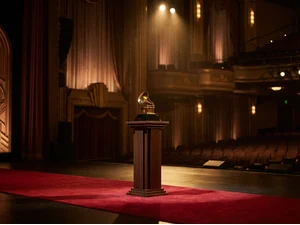
The 68th Grammy Awards turned into a high-profile protest against Immigration and Customs Enforcement, as multiple winners used live television to condemn President Donald Trump’s immigration policies - and to say so in unmistakable terms.
According to reporting from TIME, the BBC, and The New York Times, dozens of artists wore “ICE OUT” pins on the red carpet and during the ceremony, transforming music’s biggest night into a coordinated cultural statement. By the end of the broadcast, the focus had shifted from trophies to politics.
What unfolded was not a passing remark but a sustained message delivered from one of entertainment’s most visible platforms.
Bad Bunny’s Historic Win - And Message
Bad Bunny made history by becoming the first Latin artist to win album of the year, a milestone moment that could have stood alone. Instead, he used his acceptance speech to deliver a pointed message.
“ICE out!” he said, before adding, “We’re not savage, we’re not animals, we’re not aliens. We are humans and we are Americans,” according to coverage from TIME and the BBC. The line drew applause inside the arena and immediate reaction online.
The speech linked his win to broader immigration debates, placing identity and belonging at the center of a night typically reserved for industry celebration.
Billie Eilish and a Chorus of Support
Billie Eilish, who won song of the year for the third time, closed her speech with a direct condemnation of ICE - including language the New York Times reported as an expletive - while also declaring “No one is illegal on stolen land,” according to multiple reports. She wore an “ICE OUT” pin throughout the evening.
Justin and Hailey Bieber, Joni Mitchell, and Brandi Carlile were among those photographed wearing the pins, according to TIME. The visual uniformity gave the protest a sense of coordination rather than spontaneity.
Other winners, including Kehlani, Olivia Dean, and Shaboozey, dedicated their awards to immigrants and used their time at the microphone to criticize federal enforcement efforts. The cumulative effect was a ceremony that felt less like an awards show and more like a televised statement of resistance.
Host Jokes and Presidential Response
The political tone extended beyond acceptance speeches. Host Trevor Noah delivered a joke referencing Trump and convicted sex offender Jeffrey Epstein, a line that prompted Trump to directly threaten a lawsuit, posting that “it looks like I’ll be sending some lawyers,” according to TIME and the Los Angeles Times.
Trump responded publicly in the days that followed. After the ceremony, he criticized the NFL’s decision to select Bad Bunny for the upcoming Super Bowl halftime show, calling it “a terrible choice” that “sows hatred,” according to BBC reporting.
The exchange widened the spectacle beyond the Grammys themselves, linking music, sports, and presidential commentary in a single cultural loop.
A Night About More Than Music
Award shows have long doubled as stages for political expression, but the scale of participation at the 2026 Grammys stood out. The presence of coordinated pins, repeated references to ICE, and direct language from multiple winners created a throughline that defined the evening.
Supporters of the statements argue that artists have historically used their platforms to speak on civil rights and immigration. Critics contend that such overt messaging risks alienating viewers who tune in for entertainment rather than activism.
What was undeniable, however, was the visibility. The Grammys are broadcast to millions, and moments delivered from that stage do not disappear once the final award is handed out.
The Collision of Pop Culture and Power
In recent years, the line between celebrity and political discourse has grown increasingly thin. Musicians headline halftime shows, presidents comment on casting decisions, and award speeches become national flashpoints within minutes.
The 2026 Grammys did not simply reflect that reality - they amplified it. A historic album win became a declaration about immigration. A song-of-the-year speech became a rallying cry. A host’s monologue sparked legal threats.
For viewers at home, the question was not whether politics would appear during the broadcast. It was how far the stage would stretch.
On this night, it stretched all the way from the Grammy podium to the Oval Office - a reminder that in 2026, even music’s grandest celebration can double as a referendum on the moment.
References: Grammys 2026: Trump, ICE Out, and Immigration Protests | Bad Bunny Makes Grammy Awards History as Stars Protest Against ICE | Grammy Awards 2026: ICE, Trump, and a Night of Protest

The Bold Fact team was assisted by generative AI technology in creating this content
Trending