Minnesota "Fraud Tourism" Scheme Leads to New Guilty Pleas in Medicaid Billing Case
By Alex Morgan. Jan 21, 2026
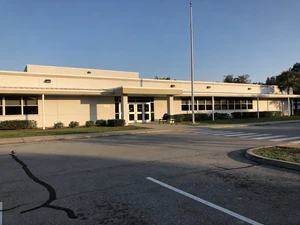
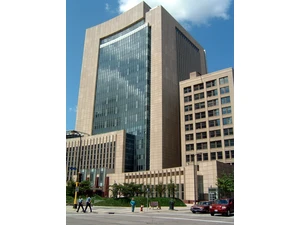
Diana E. Murphy United States Courthouse - Minneapolis, Minnesota (federal judicial venue). Public domain image by Mulad, Wikimedia Commons
Two men from Philadelphia have pleaded guilty in a sweeping Medicaid fraud case that federal prosecutors say relied on a tactic they now describe as "fraud tourism," exploiting Minnesota's public health programs from hundreds of miles away. According to court records, the defendants traveled to Minnesota and used companies tied to Medicaid-funded services to submit claims for care that investigators say never occurred. The losses ran into the millions, placing the case among the most expensive non-violent fraud matters in the state's recent history.
The guilty pleas mark another step in Minnesota's aggressive crackdown on public-program fraud, a campaign that has already resulted in dozens of charges and convictions. Officials say the case underscores how vulnerable state systems can become when bad actors identify administrative gaps and move quickly to exploit them. For taxpayers and legitimate care providers, prosecutors argue, the damage extends far beyond financial loss.
How "Fraud Tourism" Worked
Charging documents outline a scheme that investigators say depended on distance and deception. Prosecutors allege the defendants established or controlled companies that appeared to provide Medicaid-eligible services in Minnesota, then billed the program for care that was either exaggerated or never delivered. While the paperwork suggested legitimate operations, investigators say the reality did not match the claims.
Federal authorities describe the approach as "fraud tourism" because the defendants were not Minnesota residents and allegedly had no genuine service footprint in the communities they billed. By operating from out of state, prosecutors say, the men hoped to avoid scrutiny while tapping into a system designed to quickly reimburse providers serving vulnerable populations. Investigators ultimately flagged inconsistencies in billing patterns, provider records, and patient data, which led to a broader probe.
The Human and Financial Impact
Although the case does not involve violence, officials stress that the harm is real. Medicaid is intended to support low-income residents, seniors, and people with disabilities who rely on consistent, trustworthy care. When millions of dollars are siphoned off through fraudulent claims, prosecutors say, legitimate providers face tighter oversight and delayed payments, while patients risk losing access to services altogether.
State and federal officials have repeatedly emphasized that fraud cases like this erode public trust. Law-abiding providers must navigate added layers of compliance, and taxpayers shoulder the cost of recovering stolen funds. Investigators say the Minnesota case illustrates how organized fraud can ripple outward, affecting communities far removed from the defendants themselves.
Tracking the Scheme and the Guilty Pleas
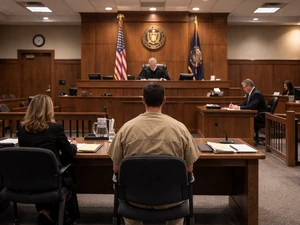
Investigators from multiple agencies worked together to piece the case together, reviewing billing data, corporate filings, and travel records. Court proceedings show that the trail of evidence eventually tied the defendants directly to the fraudulent submissions. Faced with that evidence, both men entered guilty pleas in federal court, accepting responsibility for their roles in the scheme.
While sentencing has not yet occurred, prosecutors have indicated they will seek penalties reflecting the scale of the losses and the deliberate nature of the conduct. The case remains part of a larger, ongoing investigation into public-program fraud in Minnesota, and officials say additional prosecutions are possible as reviews continue.
A Broader Warning for Public Programs
For Minnesota authorities, the case has become a cautionary example of how quickly public funds can be drained when oversight is exploited. Prosecutors say the term "fraud tourism" is not just descriptive but instructive, signaling a need for stronger cross-state cooperation and data sharing to detect suspicious activity early.
As the legal process moves forward, officials hope the guilty pleas send a clear message that distance does not shield fraudsters from accountability. For communities that depend on Medicaid, the outcome is being framed as a necessary step toward protecting resources meant for care, not criminal profit.
References: FOX 9: Fraud Tourists Plead Guilty in Minnesota Medicaid Scheme | Justice Department: Six Additional Defendants Charged in Ongoing Fraud Schemes | CBS News: Minnesota Fraud Tourists Indicted in Medicaid Case

The Bold Fact team was assisted by generative AI technology in creating this content
Trending