National Zoo Welcomes First Baby Elephant in 25 Years
By Alex Morgan. Feb 20, 2026
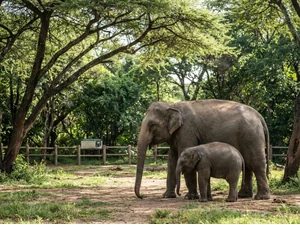
The Smithsonian’s National Zoo has welcomed its first baby elephant in nearly 25 years, marking a joyful milestone for conservationists and animal lovers alike. The endangered Asian elephant calf was born overnight on February 2 at 1:15 a.m. in Washington, D.C.
The 308-pound female calf was delivered to first-time mother Nhi Linh, age 12, and father Spike, age 44, according to the National Zoo. Both mother and calf were reported to be healthy and alert in the hours following the birth.
For a zoo that has not seen an elephant birth in decades, the moment carried special weight.
A Name With Meaning
Shortly after the birth, the Zoo invited the public to help name the calf by voting on four Vietnamese-inspired names. Each $5 vote supported elephant care and conservation programs.
The winning name, Linh Mai, means “spirit blossom” in Vietnamese - a nod to both her heritage and her symbolic role in the Zoo’s elephant program. The naming campaign gave visitors a chance to participate directly in the celebration while contributing to long-term care efforts.
The announcement of her name added another layer of excitement to an already historic moment.
Why This Birth Matters for Conservation
Asian elephants are classified as endangered, with only about 50,000 remaining in the wild. Habitat loss, human-wildlife conflict, and poaching continue to threaten their survival.
Zoo officials noted that Nhi Linh and Spike’s genes are not widely represented in North American elephant populations. That makes Linh Mai’s birth especially important for maintaining healthy genetic diversity within managed conservation programs.
Genetic diversity strengthens long-term population resilience, helping safeguard the species for future generations.
A Carefully Managed Pregnancy
The Zoo reported that Nhi Linh voluntarily participated in her own prenatal care through positive reinforcement training. Keepers worked with her to conduct regular ultrasounds and health checks throughout her pregnancy.
This cooperative approach allows veterinarians to monitor mother and calf health while minimizing stress. It also reflects evolving standards in zoo animal care, emphasizing trust and voluntary participation rather than restraint.
For staff who have worked closely with Nhi Linh for years, the successful birth represented both professional dedication and deep personal investment.
A Time for Bonding
Linh Mai will remain off exhibit for several weeks as she bonds with her mother and the herd. Zoo officials said calves typically spend up to a month in this early bonding phase before making a public debut.
Elephant calves rely heavily on maternal care and the guidance of other herd members during their first weeks of life. Early socialization is critical for learning behaviors that will shape their development.
Visitors are expected to have the opportunity to see Linh Mai later this year, once keepers determine she is ready.
A Celebration Beyond Washington
The birth arrives at a time when global conservation efforts are increasingly focused on protecting endangered megafauna. While zoo births alone cannot reverse declining wild populations, they play a role in education, research, and genetic preservation.
For families visiting the National Zoo, Linh Mai represents more than a conservation statistic. She is a living, growing reminder of the species’ vulnerability - and its resilience.
In the quiet early hours of February 2, a new generation took its first steps inside the elephant habitat. Nearly 25 years after the last calf was born there, the arrival of Linh Mai has brought renewed hope, fresh energy, and a powerful symbol of what careful stewardship can achieve.
References: Female Asian Elephant Calf Born at Smithsonian’s National Zoo

The Bold Fact team was assisted by generative AI technology in creating this content
Trending