U.S. Sanctions Costa Rica Network Linked to Cocaine Trade
By Alex Morgan. Jan 26, 2026

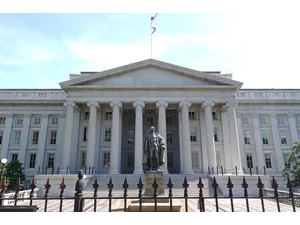
The U.S. Treasury Department announced new sanctions this week against a Costa Rica–based network accused of laundering money for international cocaine trafficking, targeting individuals and businesses officials say helped move drug profits through the global financial system.
The sanctions were issued through the Treasury's Office of Foreign Assets Control and immediately freeze any assets under U.S. jurisdiction. They also prohibit American individuals and companies from conducting transactions with those named, a step authorities describe as a critical disruption tool rather than a symbolic penalty.
Treasury officials emphasized that financial pressure is increasingly central to counter-narcotics strategy. Rather than focusing solely on street-level seizures or arrests, the U.S. aims to choke off the money that allows trafficking organizations to move drugs, pay operatives, and expand operations.
Who Is Named and What Authorities Allege
According to U.S. officials, the sanctioned network includes several Costa Rican individuals and business entities accused of laundering proceeds from cocaine trafficking. Investigators allege the group helped move drug profits through front companies and legitimate-appearing businesses, masking illicit revenue as normal commercial activity.
One business cited in reporting is an aesthetic or beauty-related enterprise that authorities say was used to conceal money flows tied to cocaine distribution. Officials have not alleged that all employees were aware of the alleged criminal activity, and the Treasury has not released detailed operational timelines.
Authorities say the cocaine linked to the network was destined for international markets, including routes that ultimately reach the United States. The Treasury stressed that the sanctions are based on financial intelligence and interagency investigations, though criminal charges are separate and handled by law enforcement and prosecutors.
Human and Regional Impact of Transnational Drug Finance
While financial sanctions can seem abstract, officials point to real-world consequences tied to drug trafficking networks operating in Central America. Cocaine trafficking is associated with violence, corruption, and community instability that often affects ordinary residents far removed from the profits.
Costa Rica has historically promoted itself as a relatively stable nation in a region affected by organized crime. U.S. officials have warned, however, that traffickers increasingly exploit legitimate businesses and financial systems in countries with strong commercial ties and tourism economies.
American authorities say the financial networks supporting cocaine trafficking fuel addiction, overdoses, and organized crime across borders. By targeting facilitators rather than only traffickers, the Treasury argues it is addressing a layer of the problem that enables drug distribution at scale.
How Sanctions Fit Into U.S. Drug Enforcement Strategy
The Treasury Department described the sanctions as part of a broader, coordinated effort involving law enforcement, intelligence agencies, and international partners. Financial penalties are often used alongside indictments, extradition requests, and cooperative policing agreements.
Officials noted that sanctions can act quickly, freezing assets and cutting off banking access even while criminal investigations continue. Once designated, sanctioned individuals are largely shut out of formal financial systems that rely on U.S. dollars or American institutions.
Treasury leaders said the approach reflects lessons learned from previous counter-narcotics efforts, where arrests alone failed to dismantle organizations that could rapidly replace arrested members. Financial isolation, they argue, makes it harder for networks to recover or relocate.
What Comes Next for the Sanctioned Network
The Treasury said the designations will remain in place unless removed through a formal review process, which typically requires evidence that the sanctioned behavior has stopped. Officials cautioned that sanctions are not a criminal conviction and do not preclude future legal action.
U.S. authorities indicated they will continue working with Costa Rican officials and regional partners to monitor compliance and identify additional facilitators if necessary. Financial institutions are required to block transactions involving the sanctioned parties and report any attempted activity.
For U.S. officials, the announcement serves as both enforcement action and warning. The Treasury said it intends to continue targeting the financial lifelines of drug trafficking organizations, signaling that businesses and individuals who enable the trade face serious and lasting consequences.
References: AP News: Trump Treasury Bessent Sanctions Drug Trade Costa Rica D30043f5aa4adc6f2f2c7b39ebbe6d38 | CBS News: U.S Sanctions Drug Ring Beauty Salon Cocaine Costa Rica | FOX59: Ap U.S Sanctions Costa Rican Drug Network Including an Aesthetic Salon for Trafficking Cocaine

The Bold Fact team was assisted by generative AI technology in creating this content
Trending

Earn Massive Cash Back With This Card
Sponsored
Ex-Boyfriend Set Fire That Killed Mom, Two Sons
Alex Morgan
The Dumb Money Mistake You’re Probably Still Making
Sponsored
Cleveland Mother Charged After Two Young Sisters Found Dead in Suitcases
Jordan Reyes

These 14 Benefits Could Save Seniors Thousands
Sponsored

Caregiver Charged in Killing of 87-Year-Old
Taylor Bennett

Multiple Shots Fired Outside Rihanna's Beverly Hills Home; Woman Arrested
Taylor Bennett
Woman's Remains Found in Toolbox After DNA Clue
Jordan Reyes

Police Video Shows Chaotic Aftermath of Rhode Island Ice Rink Shooting
Jordan Reyes
Man Tortured Childhood Friend, Gets Life Sentence
Dana Whitfield
Ohio Husband Charged Months After Reporting Wife's Suicide
Dana Whitfield
Florida Teen Killed by Mother's Boyfriend
Dana Whitfield
75-Year-Old Arrested After Alleged Confession
Jordan Reyes
Man Charged After Woman's Body Found in Fort Lauderdale Neighborhood
Alex Morgan
Mother, Two Children Found Dead in Florida Home
Dana Whitfield
Man Kills Four as Deputies Serve Restraining Order
Taylor Bennett
Boyfriend Charged in Death of Isadora Wengel
Jordan Reyes

Family Mourns After Parents Found Stabbed
Alex Morgan

1972 Cold Case Solved by DNA Evidence
Taylor Bennett
Two Women Found Dead in Pennsylvania Home After Tip
Taylor Bennett
Police-Impersonation Scam Ends With Three Arrests
Taylor Bennett
Dad Vanishes After Super Bowl Party, Found Dead
Dana Whitfield

Convicted in Bali, Now Charged Again in Chicago
Taylor Bennett
Bodycam Released in Florida Multi-County Shooting Spree Case; Suspect Charged Across Counties
Jordan Reyes