Judge Rules Luigi Mangione Will Not Face Death Penalty in CEO Murder Case
By Dana Whitfield. Feb 2, 2026

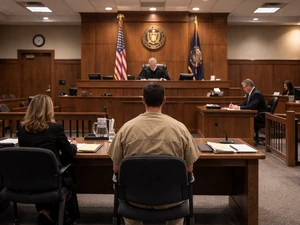
In a significant legal development in the high-profile killing of UnitedHealthcare CEO Brian Thompson, a federal judge in Manhattan has ruled that prosecutors may not seek the death penalty against 27-year-old suspect Luigi Mangione. On Friday, U.S. District Judge Margaret Garnett dismissed two charges in the federal indictment - a murder charge under a firearms statute and a related weapons count - that would have made Mangione eligible for capital punishment. Without those counts, the remaining federal stalking charges against him carry a maximum penalty of life in prison without parole but no death sentence.
Judge Garnett's decision came after careful consideration of legal precedent on what constitutes a "crime of violence," a necessary element for federal death-penalty eligibility. Prosecutors had sought to tie Mangione's alleged stalking of Thompson to a violent crime that would support capital punishment. The judge concluded that the stalking statutes cited in the indictment did not meet the statutory definition of a crime of violence under Supreme Court precedent, and therefore dismissed the federal murder and gun charges that enabled the government's death-penalty request.
Stalking Charges and Federal Trial Timeline
While the capital-eligible counts are gone, Mangione still faces two federal stalking charges related to Thompson's death. Those counts, under federal interstate stalking laws, each carry a potential sentence of life imprisonment without parole. Jury selection in the federal case is scheduled to begin in September with opening arguments expected in October 2026, though that timeline could shift if prosecutors choose to appeal Judge Garnett's ruling.
The case has drawn intense legal scrutiny because of its intersection with federal criminal statutes, Supreme Court interpretations of violence definitions, and an ongoing national conversation about the scope of federal death-penalty authority. Some legal experts have noted that the judge's interpretation highlights complexities in applying broad criminal laws to novel factual scenarios, especially when stakes as high as capital punishment are involved.
State Charges and Separate Proceedings
In addition to the federal case, Mangione continues to face a suite of state charges in New York related to Thompson's killing. Those include second-degree murder and multiple weapon and related counts. A state judge in September 2025 previously dismissed terrorism-related murder charges in the state case, but the core murder count remains. State prosecutors have expressed an interest in beginning that trial as early as mid-2026, although scheduling discussions are ongoing.
The dual tracks - federal and state - mean Mangione could be prosecuted in two separate courts for overlapping conduct. In federal court, the absence of a death-penalty phase may streamline proceedings, whereas the state trial could proceed under New York law without any capital punishment option.
Legal and Policy Implications
The ruling is notable not only for its immediate impact on Mangione's case but also for broader questions about how federal courts interpret statutory language governing capital punishment. Federal death penalty statutes require a predicate violent crime for eligibility. In Mangione's case, the judge found that those legal prerequisites were not satisfied by the stalking statutes as applied, even though the alleged conduct - bringing a firearm into New York and killing a targeted victim - would intuitively seem violent to most observers.
This decision may attract scrutiny from the Department of Justice and legal observers alike, as prosecutors weigh whether to appeal and seek reinstatement of the dropped charges. If an appeal is filed, higher courts may ultimately weigh in on the interpretation of "crime of violence" in federal capital cases.
Mangione's Detention and Public Reaction
Mangione has pleaded not guilty to all federal and state charges. He was arrested days after the December 2024 shooting in Midtown Manhattan and has been held in federal custody since. Evidence seized at the time of his arrest - including a 9mm handgun and writings that authorities allege reflect intent - was ruled admissible by Judge Garnett despite defense challenges over how it was obtained.
The killing of Brian Thompson, a prominent figure in the healthcare industry, triggered national attention and intense public discourse. While many condemned the violence, some segments of the public have used the case to spotlight broader issues in the U.S. healthcare system.

The Bold Fact team was assisted by generative AI technology in creating this content
Trending