Federal Judge Hands Down Life Sentence in 2024 Plot
By Alex Morgan. Feb 4, 2026
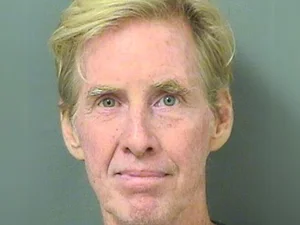
Caption: Ryan Wesley Routh is shown in a law enforcement booking photo released by authorities after his arrest in September 2024. Source: Wikimedia Commons (Public Domain).
Ryan Wesley Routh was sentenced to life in federal prison on Tuesday for attempting to assassinate then-presidential candidate Donald J. Trump during a 2024 incident in Florida. The sentence includes an additional seven years, reflecting multiple federal convictions tied to the attack and its aftermath.
The punishment was imposed by U.S. District Judge Aileen Cannon, who cited the seriousness of the crime and the lasting threat posed by Routh. Prosecutors had sought the maximum penalty, arguing that the case involved direct political violence against a major national figure.
The sentencing brings a legal conclusion to one of the most alarming security breaches of the 2024 campaign season. It also represents one of the most severe federal penalties imposed in an attempted attack on a presidential candidate where no shots were fired.
What Happened at the Florida Golf Course
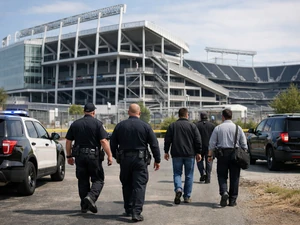
The incident unfolded in 2024 at a Florida golf course where Trump was present during the campaign. According to federal prosecutors, Routh traveled to the location with the intent to carry out an assassination attempt.
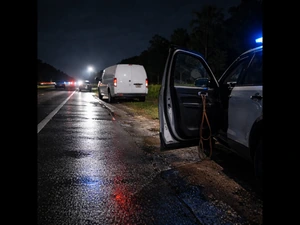
Secret Service agents identified Routh before he could reach Trump and intervened quickly. Authorities have consistently stated that no shots were fired and no physical injuries occurred as a result of the encounter.
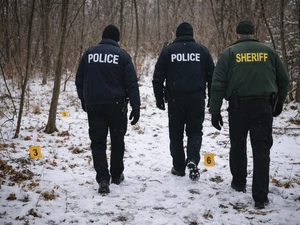
Investigators later recovered evidence that prosecutors said demonstrated clear intent, including planning steps taken before Routh arrived at the site. Federal officials emphasized that the rapid response by protective services prevented what could have been a catastrophic outcome.
Federal Charges and Jury Conviction
Routh, 59, was charged with multiple federal crimes, including attempted assassination of a major presidential candidate and assaulting a federal officer. The charges stemmed from both his actions at the golf course and his confrontation with law enforcement during his arrest.
During the trial, prosecutors presented surveillance footage, witness testimony, and physical evidence to establish intent. The defense did not dispute that Routh was present but challenged whether his actions rose to the level of an assassination attempt.
After deliberation, the jury found Routh guilty on all major counts. The verdict cleared the way for a mandatory life sentence under federal sentencing guidelines tied to political violence and threats against protected officials.
Courtroom Sentencing and Judicial Rationale
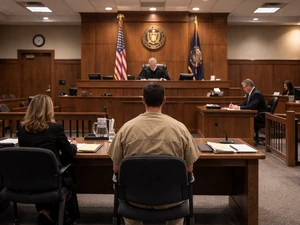
At sentencing, Judge Cannon described the crime as an extraordinary danger to democratic processes and public safety. She said the absence of gunfire did not diminish the seriousness of Routh's actions or his intent.
The court also considered Routh's behavior following his arrest, including statements cited by prosecutors as evidence of continued risk. Judge Cannon concluded that no lesser sentence could adequately protect the public or deter similar acts.
Family members of Trump were not present, and no victim impact statements were delivered in court. Still, the judge noted the broader harm inflicted on public trust and national security by attempted political violence.
Broader Impact on Campaign Security
The case reinforced longstanding concerns about the safety of candidates during increasingly tense political cycles. Federal officials have said the incident prompted internal reviews of protective protocols at nontraditional venues like golf courses.
Law enforcement leaders emphasized that while protective measures are extensive, threats remain unpredictable. They credited layered security and quick decision-making for preventing loss of life in this case.
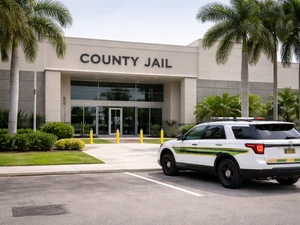
As Routh begins a life sentence in federal custody, the ruling stands as a stark warning about the consequences of targeting political figures. The outcome also underscores the justice system's approach to acts viewed as direct threats to democratic stability.

The Bold Fact team was assisted by generative AI technology in creating this content
Trending